
Living in Downtown Cincinnati: A Guide to Condos, Lofts & Urban Living
From park-side condominiums and converted department-store lofts to riverfront residences and historic OTR — Downtown Cincinnati offers more residential variety than many buyers expect.
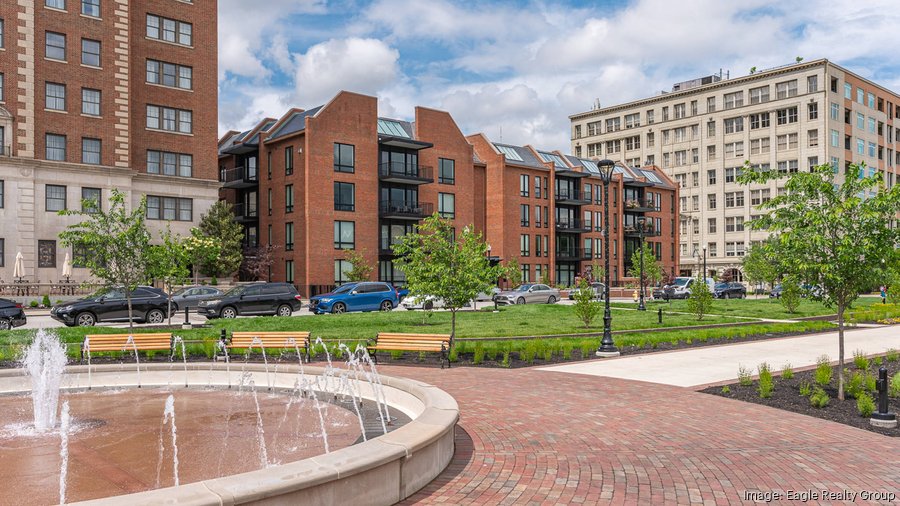
When someone says, "I want to live Downtown," the phrase can mean very different things depending on which part of Downtown Cincinnati they are picturing. A condominium near Lytle Park, a loft in a converted department store, a newer apartment at The Banks, and a historic residence in Over-the-Rhine all qualify as "Downtown living" — but they offer distinctly different physical settings, building types, and daily experiences.
Understanding those differences is an important first step in deciding where — and how — to live in Cincinnati's urban core. This guide walks through the major residential pockets of Downtown Cincinnati, the types of housing each one offers, and the practical questions a buyer should be prepared to investigate.
What "Living Downtown" Actually Means
People often use "Downtown" broadly to describe the entire urban center of Cincinnati, but the area contains several districts that function differently as residential environments. The Central Business District, Lytle Park on the eastern edge, The Banks along the riverfront, Over-the-Rhine to the north, and the smaller Pendleton neighborhood each have their own building stock, street patterns, and relationship to the surrounding city.
A residence near Lytle Park provides a very different immediate setting from a condo in the middle of the Central Business District, a unit at The Banks, or a converted building in OTR. Housing type, building age, parking access, proximity to parks and entertainment, and the amount of street activity outside the front door all vary substantially depending on where you look. The sections below explain those differences through the lens of residential choice rather than tourism.
Lytle Park: Downtown Living on a Different Scale
Lytle Park sits on the eastern edge of Downtown, set apart from the highest concentration of office towers, stadium activity, and entertainment venues that define the Central Business District. The park itself recently underwent a significant renovation by Cincinnati Parks, improving its landscaping, walkways, and public amenities. The Taft Museum of Art sits adjacent to the park, adding a cultural anchor to the area.
What makes Lytle Park distinctive from a residential standpoint is its physical setting. The park creates a green frontage that gives the surrounding buildings a different relationship to the city than a typical Downtown address. The eastern edge location means the area is removed from the stadium and event concentrations that shape the western and southern riverfront. Residential inventory here is comparatively limited, which is part of what gives the area its particular character.
Park Place at Lytle (400 Pike Street) is one of the most notable residential buildings in the area. The building occupies the former R.L. Polk Building, which was converted to residential condominiums. Its adaptive-reuse character — a historic commercial structure repurposed as residential ownership — is representative of the kind of housing stock that makes Downtown Cincinnati's residential landscape different from purpose-built suburban condominium development.
I have always been drawn to the Lytle Park area of Downtown. Its physical setting feels removed from the most intense event activity while still being genuinely part of the urban core, and Park Place at Lytle is one of my favorite Downtown condominium buildings. I only wish there were more residential opportunities in this part of the city — the limited inventory is part of what makes it distinctive, but it also means buyers interested in this setting need to be patient and prepared.
The Central Business District: Old Buildings, New Residential Uses
One of the most interesting aspects of Downtown Cincinnati housing is adaptive reuse — the conversion of buildings originally constructed for commercial purposes into residential properties. The Central Business District contains several examples, and they illustrate an important distinction: not all "lofts" are condominiums, and not all converted buildings offer the same ownership structure.
The McAlpin: Condominium Ownership
The McAlpin, located on West Fourth Street, began its life as a department store before being converted into residential condominiums. The building contains approximately 62 condominium residences, and the conversion retained architectural elements from its commercial past. As a condominium property, owners at The McAlpin purchase their individual units and share ownership of the building's common elements through the condominium association.
The McAlpin is a strong example of how historic adaptive reuse can produce condominium ownership opportunities that feel fundamentally different from purpose-built suburban condominium developments. The building's department-store origins, its location in the heart of the historic commercial core, and the architectural character preserved through conversion all contribute to a residential experience that is specific to Downtown Cincinnati.
Shillito Lofts: Apartment Living in a Historic Building
The former Shillito's department store building, located at Seventh and Race streets, provides a useful counterpart to The McAlpin. Like The McAlpin, it originated as a major Downtown department store. Unlike The McAlpin, its residential conversion produced rental apartments rather than condominiums. The building's redevelopment restored significant historic architectural elements, including the atrium and skylight that were part of the original department-store design.
This distinction matters. A buyer searching for a "Downtown loft" may encounter both condominium ownership opportunities and rental apartments in converted historic buildings. Understanding whether a building offers ownership or rental — and what that means for the financial and lifestyle commitment — is an essential part of evaluating Downtown residential options. Not all lofts are condominiums, and the two are not interchangeable.
The Banks: Newer Housing Along the Riverfront
The Banks represents a different residential context from the adaptive-reuse buildings of the Central Business District. As a newer mixed-use development along the Ohio River, The Banks offers housing that was purpose-built as residential rather than converted from commercial use. Its location places residents within immediate walking distance of Smale Riverfront Park, Great American Ball Park, Paycor Stadium, restaurants, and the Roebling Suspension Bridge.
The physical setting differs from the CBD in several ways: the buildings are newer, the relationship to the riverfront and park system is immediate, and the district's rhythm is shaped heavily by event activity at the two stadiums. Structured parking is integrated into the development, and the residential experience is closely tied to the entertainment and recreational character of the riverfront.
To understand the surrounding riverfront experience in greater depth — Smale Riverfront Park, the Freedom Center, dining, DORA, and the pedestrian connection to Northern Kentucky — our guide to things to do at The Banks covers the district's attractions and logistics in detail.
Over-the-Rhine: Historic Buildings and Urban Density
Over-the-Rhine, immediately north of the Central Business District, contains one of the largest collections of 19th-century Italianate architecture in the United States. From a residential standpoint, OTR offers a different building stock and street scale than the CBD or The Banks. Housing options include condominium conversions, apartments, loft-style spaces, and some rowhouse and townhouse-style properties, along with newer infill construction interspersed among the historic structures.
The residential experience in OTR is shaped by the neighborhood's historic density, its active restaurant and arts scene, and the ongoing evolution of the built environment. For a deeper exploration of OTR's architecture, Findlay Market, Washington Park, and neighborhood character, our Over-the-Rhine guide covers the neighborhood in detail.
Pendleton: A Smaller Historic Pocket Beside OTR
Pendleton is a distinct neighborhood immediately east of Over-the-Rhine. While buyers searching OTR may encounter Pendleton, the two are geographically and residentially separate. Pendleton contains its own historic building stock, including Italianate architecture, and is home to the Pendleton Art Center, which contributes to the neighborhood's arts presence.
Residential properties in Pendleton are intermixed with the neighborhood's historic fabric, and the area offers a different scale and street environment from the more intensely developed portions of OTR. A buyer who begins by exploring OTR may want to understand Pendleton as a separate geographic and residential option with its own character — not simply an extension of the OTR market.
What Changes When You Buy Downtown
Buying a condominium or residence Downtown introduces a set of practical considerations that differ from purchasing a detached single-family home in a suburban subdivision. Understanding these issues before making an offer can help a buyer evaluate whether a particular building and location fit their needs.
Parking
Parking arrangements vary significantly by building. A Downtown condominium may include deeded parking, assigned parking, leased parking, or separately titled parking spaces. The parking may be located within the building itself or in a nearby facility. Buyers should determine exactly what parking arrangement applies to a specific unit and whether it is conveyed with the property or handled through a separate agreement.
Everyday Shopping & Errands
One of the practical differences of Downtown living is that walkability does not necessarily mean every errand can be completed on foot. Downtown Cincinnati now has a full-service Kroger grocery store on East Court Street, along with restaurants, services, and smaller retailers throughout the urban core. But some shopping needs — particularly home-improvement supplies, larger household purchases, and specialty retail — may still require a drive to surrounding neighborhoods or other shopping districts.
Before choosing a Downtown residence, it is worth thinking through your normal routine as carefully as the building itself. Where will you buy groceries? Which stores and services do you use regularly? Which trips can be handled on foot, by streetcar, or nearby — and which will still involve getting in the car? For some buyers that tradeoff is insignificant; for others, it can influence which part of Downtown makes the most sense.
HOA / Condominium Association
Monthly assessments, reserve funding, insurance responsibilities, maintenance obligations, and association rules all affect the ownership experience. Buyers should review the association's financial health, any recent or planned special assessments, and the rules that govern the building. For a more detailed guide to evaluating condominium associations — including reserves, insurance, financing, and the questions worth asking — our condo buyer's guide covers these topics in depth.
Historic vs. Newer Construction
Converted historic buildings involve different considerations from newer purpose-built residential construction. The building's age, prior use, conversion quality, retained architectural elements, and mechanical systems can all affect the ownership experience. Neither historic adaptive reuse nor newer construction is inherently better — they simply present different tradeoffs that a buyer should understand.
Storage and Outdoor Space
Storage configuration can matter significantly, especially for buyers moving from larger homes. Some Downtown buildings offer designated storage areas; others do not. Outdoor space similarly varies: some units include private balconies or terraces, some buildings offer shared rooftop or courtyard space, and others provide little or no private outdoor area beyond nearby public parks. Buyers should evaluate what a specific building and unit actually offer.
Pet and Rental Rules
Association and building restrictions on pets, leasing, and short-term rentals can differ substantially from one building to another. Buyers who own pets, anticipate renting out their unit long-term, or have any interest in short-term rental arrangements should verify the specific rules that apply before relying on the ability to do so.
Accessibility
Elevators, stairs, building entrances, the route from parking to the unit, and individual unit layout all affect accessibility. Buyers should evaluate these factors for the specific property rather than assuming that all Downtown buildings offer comparable access.
Event and Street Activity
A Downtown location can function very differently depending on the time of day, day of the week, and whether a major event is occurring. A street that is calm on a Tuesday morning may be busy on a Saturday evening during a Reds or Bengals game. Buyers should experience a location at different times — weekday, weekend, and during a major Downtown event — to understand how the immediate environment actually feels. This is a practical due-diligence step, not a judgment about any particular area.
More Than One Downtown
The most useful thing to understand about living in Downtown Cincinnati is that it is not a single residential market. The park-side setting of Lytle Park, the adaptive-reuse lofts of the Central Business District, the newer riverfront residences at The Banks, the historic density of Over-the-Rhine, and the smaller scale of Pendleton each represent a different way to live in the urban core. The right choice depends on housing preferences, budget, desired building type, tolerance for event activity, parking needs, and the kind of daily environment that fits the way you actually want to live.
If you are beginning to explore Downtown Cincinnati as a place to live, the best next step is to understand which of these residential pockets aligns with your priorities — and then investigate the specific buildings, associations, and units within that area. You can learn more about Downtown Cincinnati through our community page, or reach out directly for a conversation about what might make sense for your situation.

About Chris
Chris Harris is an AI-Certified Agent™ with eXp Realty who has been helping buyers and sellers throughout Greater Cincinnati and Northern Kentucky for more than 25 years.
As publisher of Greater Cincy Homes and its editorial publication, Sweet Home Cincinnati, Chris shares local insights, neighborhood guides, market expertise, and practical advice designed to help people make confident real estate decisions—and love where they live!
Chris Harris | AI-Certified Agent™ | eXp Realty
📍 Serving Greater Cincinnati & Northern Kentucky
Helping you love where you live!