
Why Historic Homes Continue to Inspire
There is something deeply satisfying about a home that has stood for a century or more. These houses were built by craftspeople who took pride in their work, who shaped wood by hand, who set stone with intention, and who understood that a home should last for generations. That philosophy still resonates with buyers today.
Craftsmanship
Hand-carved millwork, built-in cabinetry, and plaster walls reflect a level of detail and skill that is difficult and expensive to replicate today.
Architectural Detail
Leaded glass, arched doorways, decorative brackets, and original hardwood floors give each home a personality that newer construction often lacks.
Mature Neighborhoods
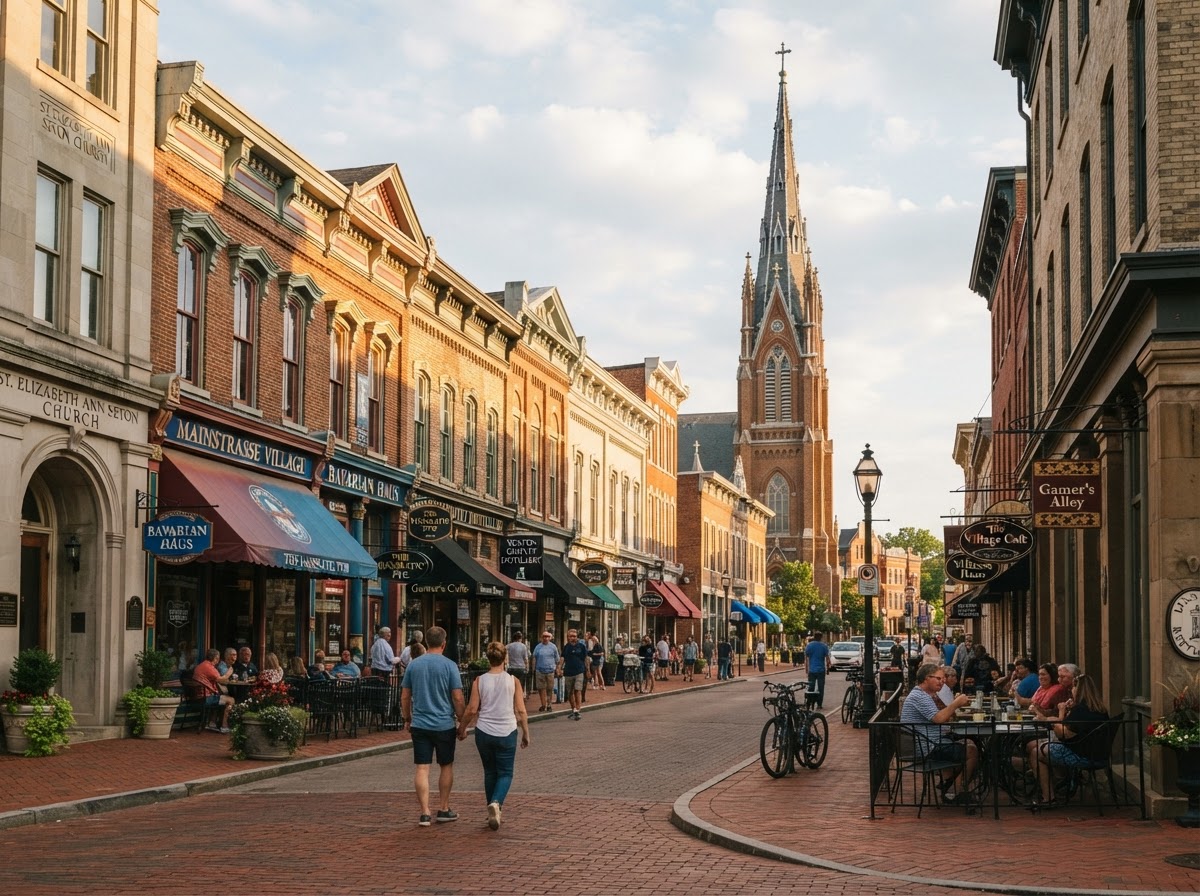
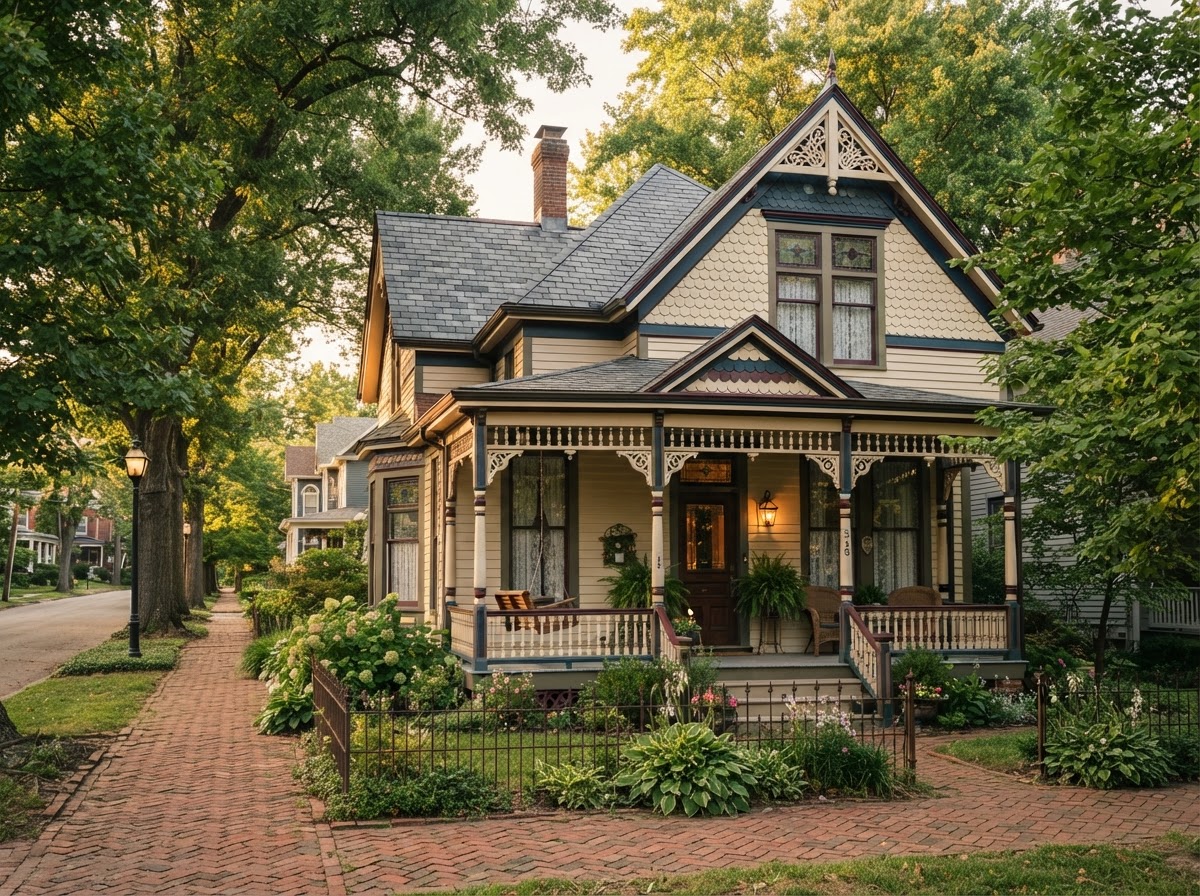
Tree-lined streets, established gardens, and neighborhoods with decades of character create a sense of place that cannot be built overnight.
Timeless Design
Good architecture never goes out of style. The proportions, materials, and craftsmanship of a well-preserved historic home remain appealing across generations.
Historic Doesn't Simply Mean Old
Not every older home is truly historic. A historic property is one that retains its architectural integrity, its original craftsmanship, and its connection to the story of its neighborhood. These homes have been preserved, maintained, or thoughtfully restored in ways that honor their original character.
The distinction matters. A house that has been stripped of its original details, clad in vinyl, or altered beyond recognition may be old, but it has lost the qualities that make historic homes so special. When you are searching for a historic home, you are looking for a property that still tells its story through its architecture, materials, and design.
Thoughtful renovations play an important role. Many of the best historic homes have been carefully updated over the years, with modern kitchens, updated mechanical systems, and improved energy efficiency added in ways that respect and preserve the home's original character. The goal is not to freeze a home in time, but to steward it thoughtfully for the next generation.
Architectural Styles That Shape Our Region
Greater Cincinnati and Northern Kentucky are home to a remarkable variety of architectural styles, each reflecting a different era and vision of what a home should be.
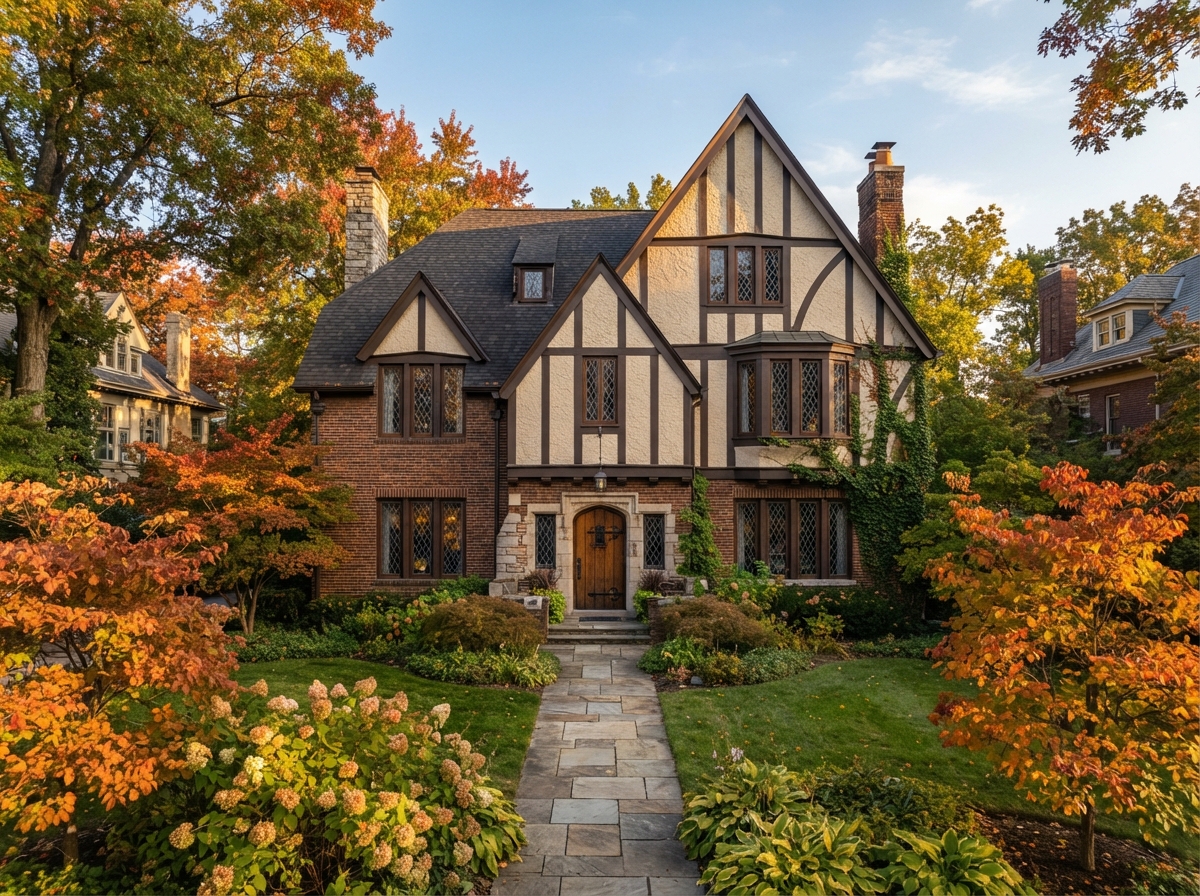
Tudor Revival
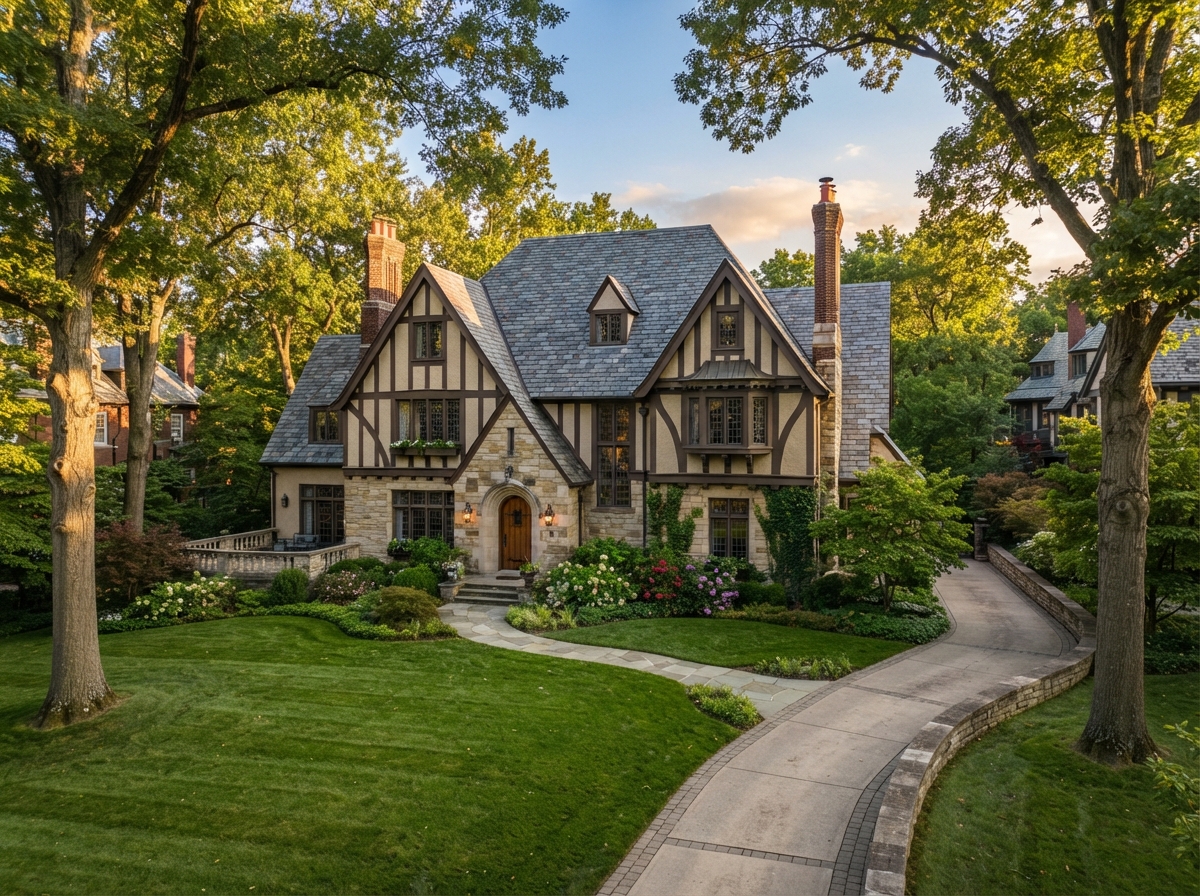
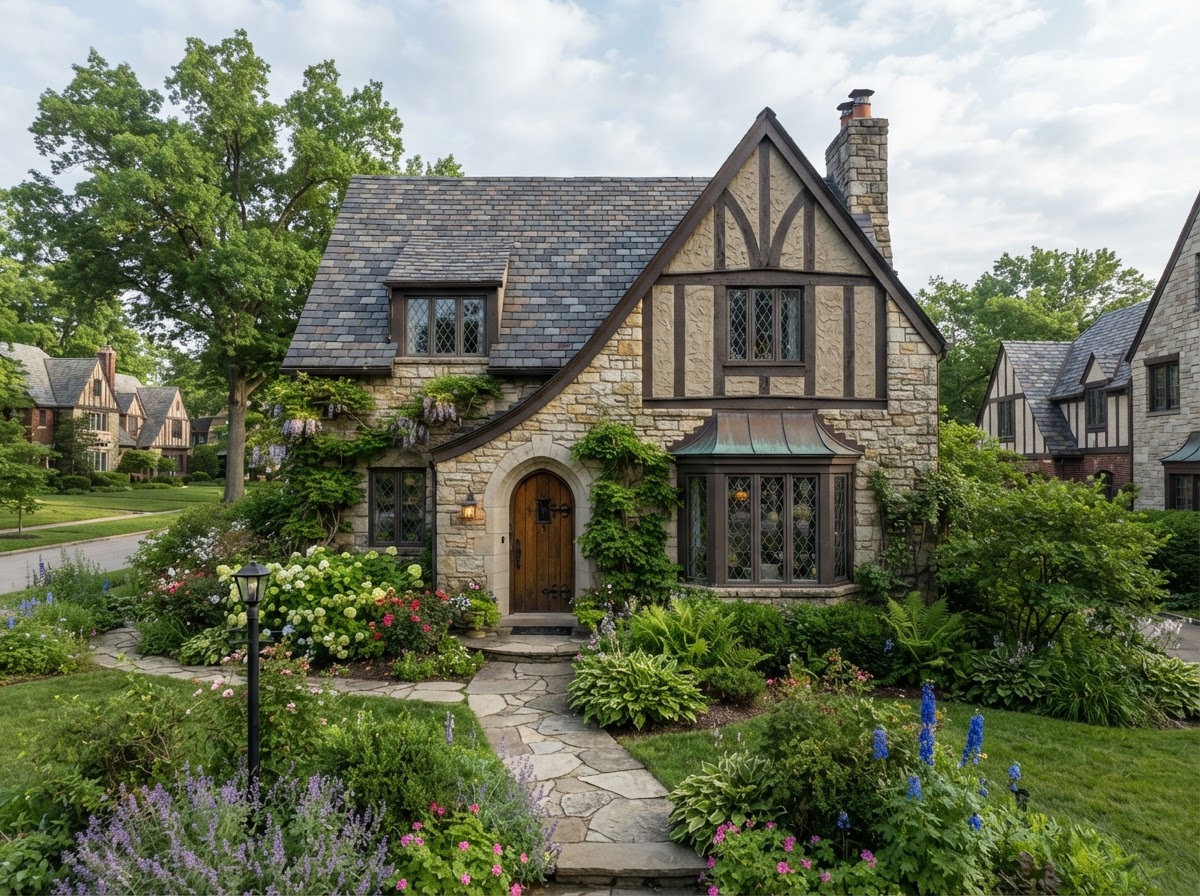
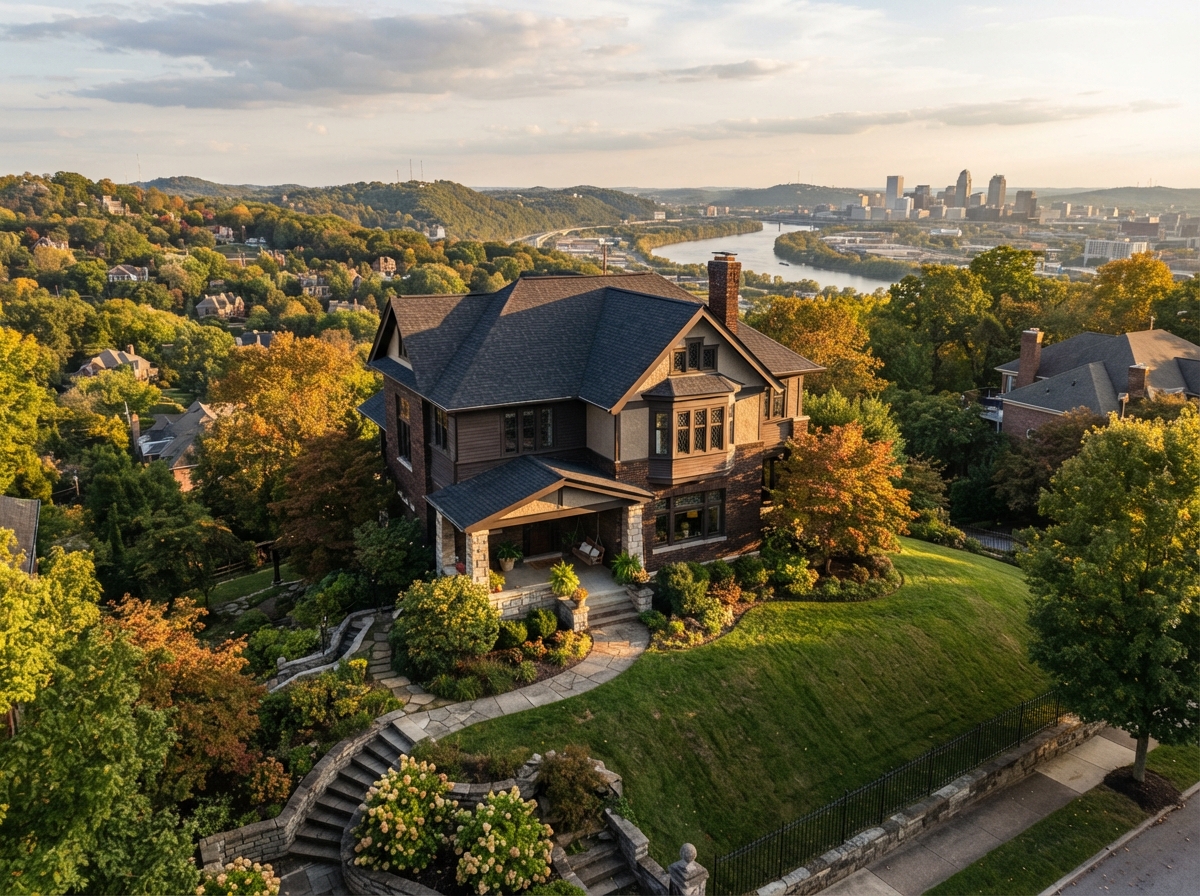
Steeply pitched roofs, decorative half-timbering, and tall narrow windows give Tudor Revival homes their distinctive storybook character. Several Cincinnati neighborhoods are rich with excellent examples.
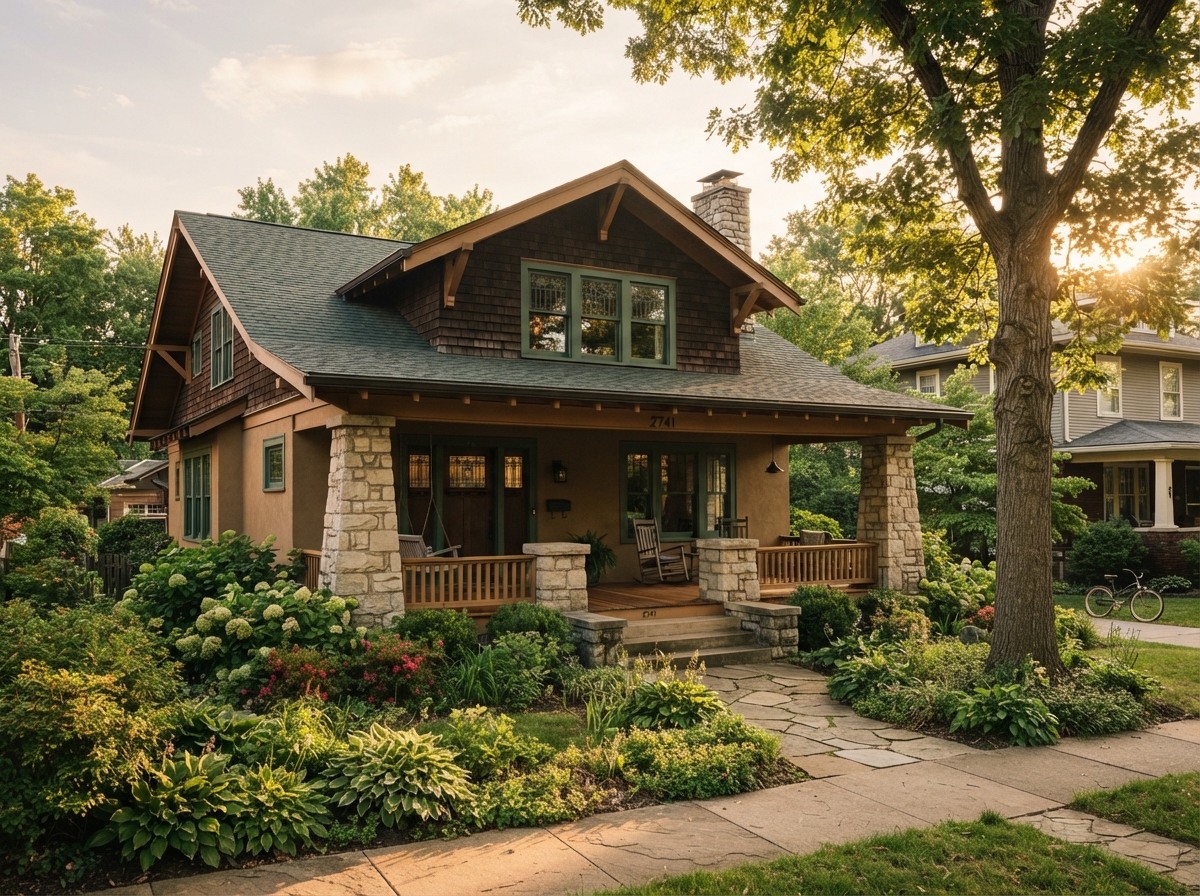
Craftsman
Low-pitched gabled roofs, exposed rafters, tapered columns, and deep front porches define the Craftsman style, which celebrated honest materials and handcrafted detail.
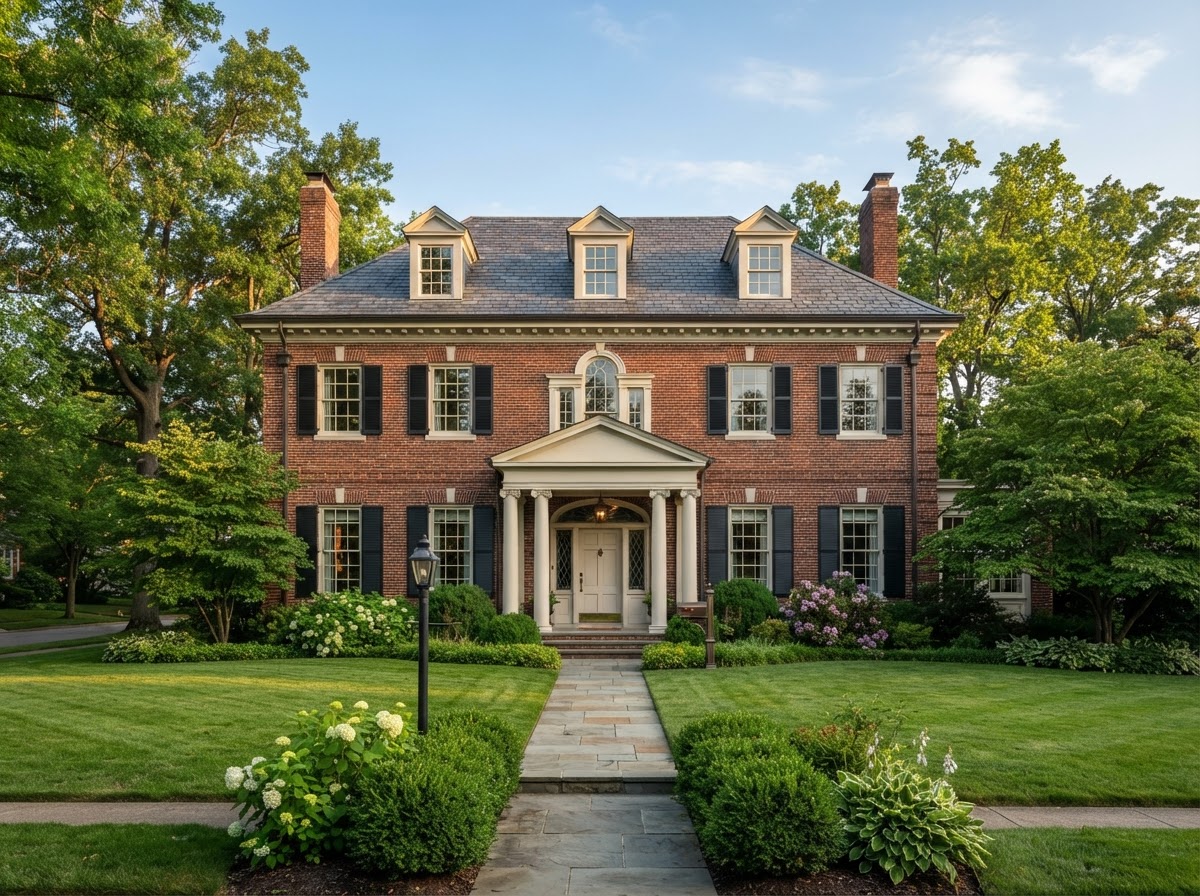
Colonial Revival
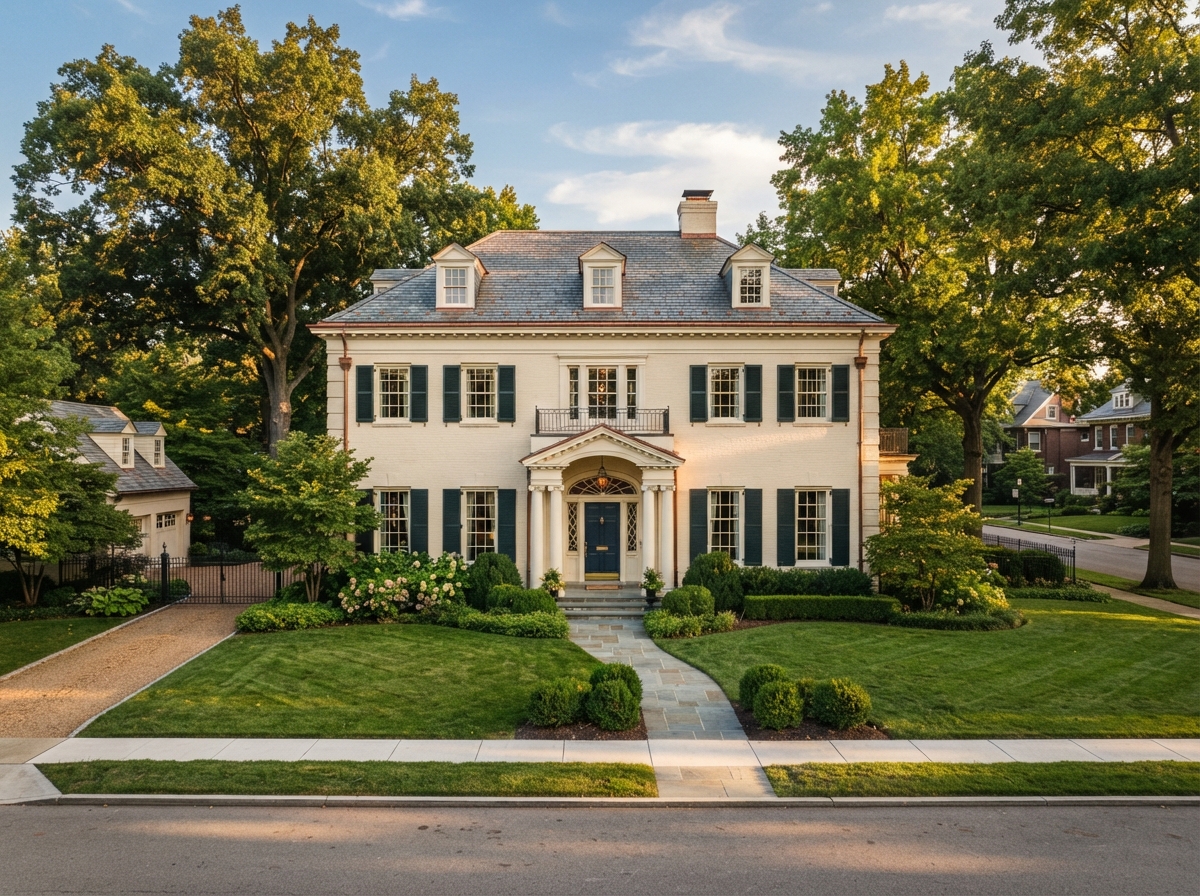
Symmetrical facades, multi-pane windows, and classical detailing reflect a return to early American architectural traditions with a refined, balanced appearance.
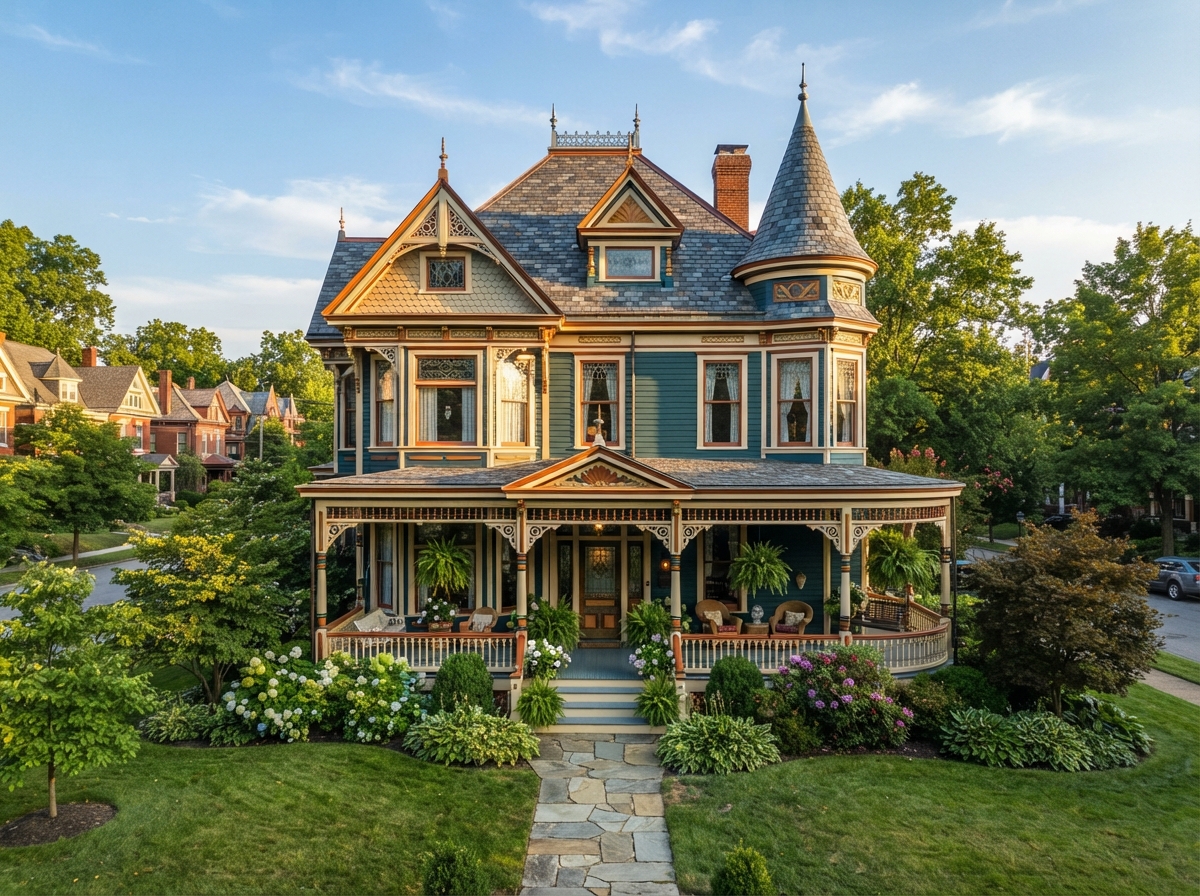
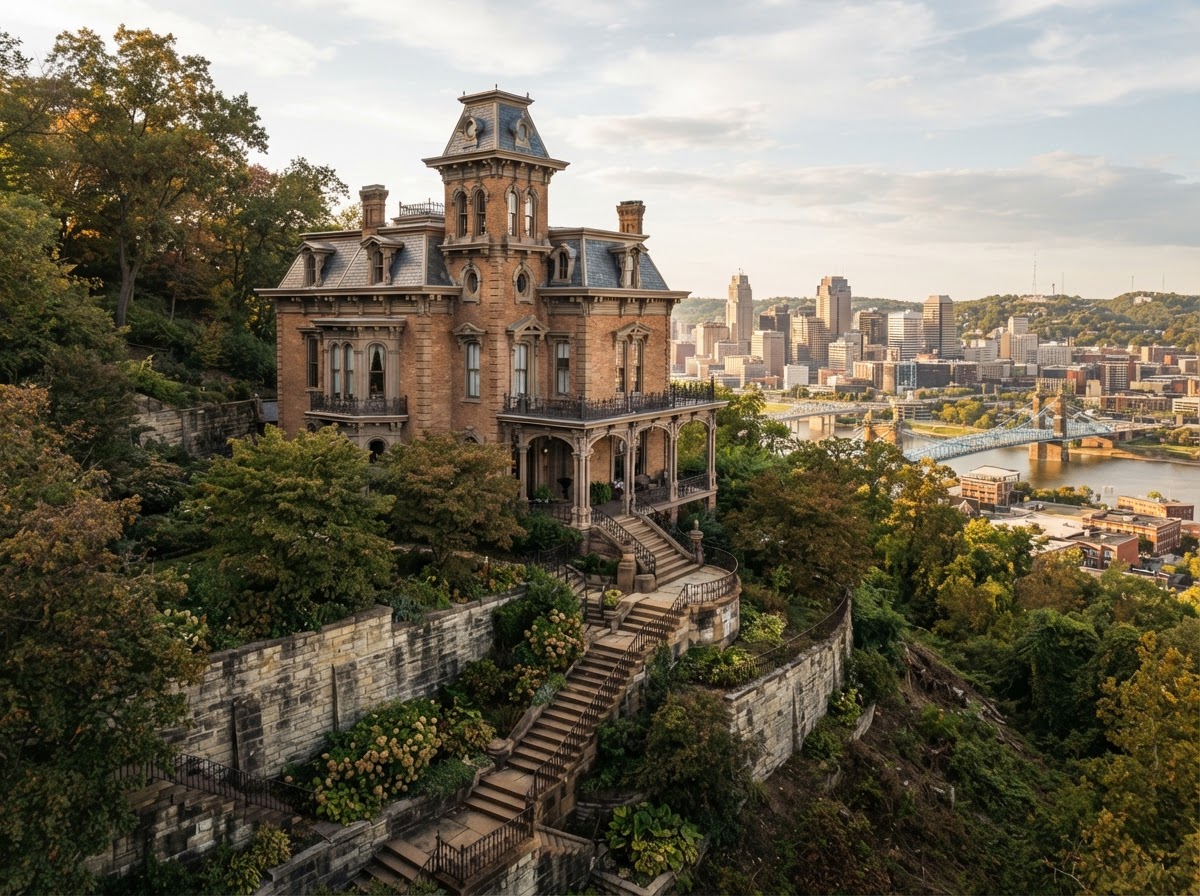
Victorian
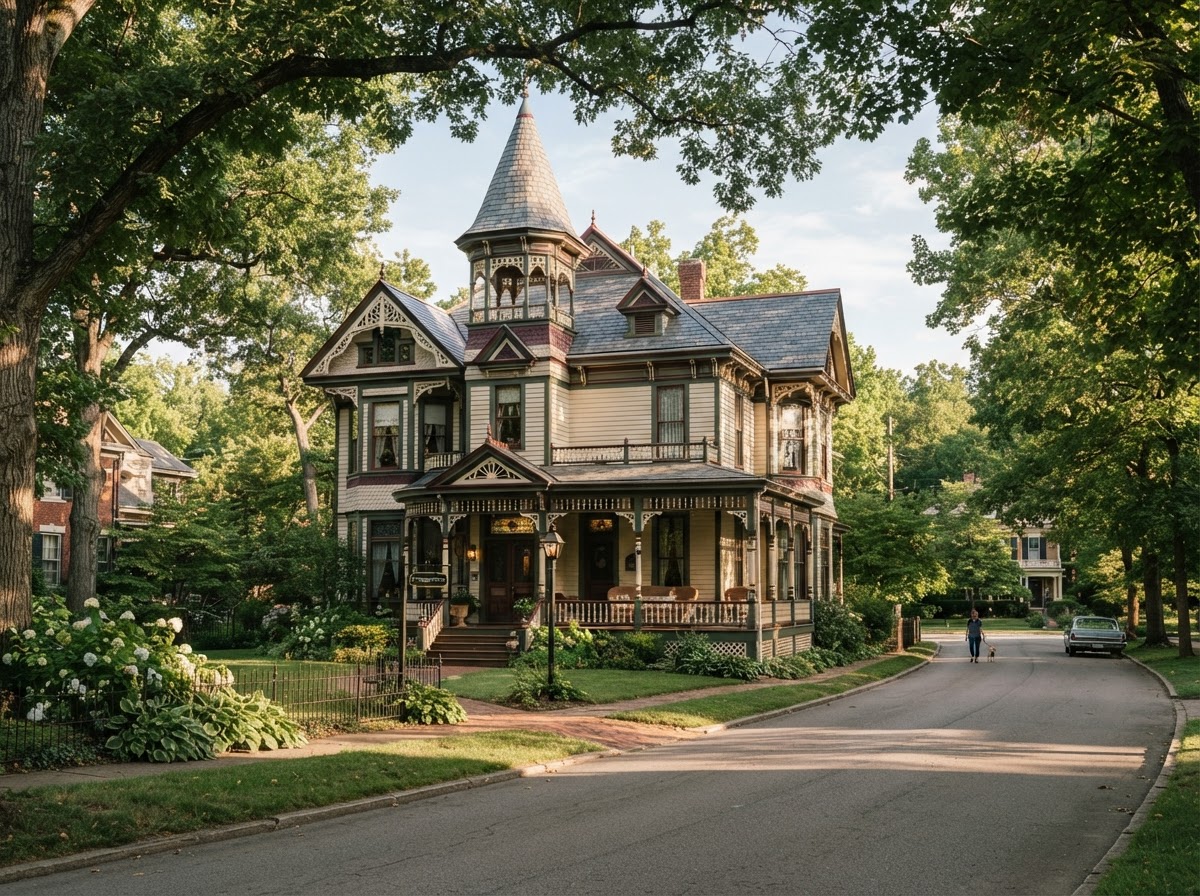
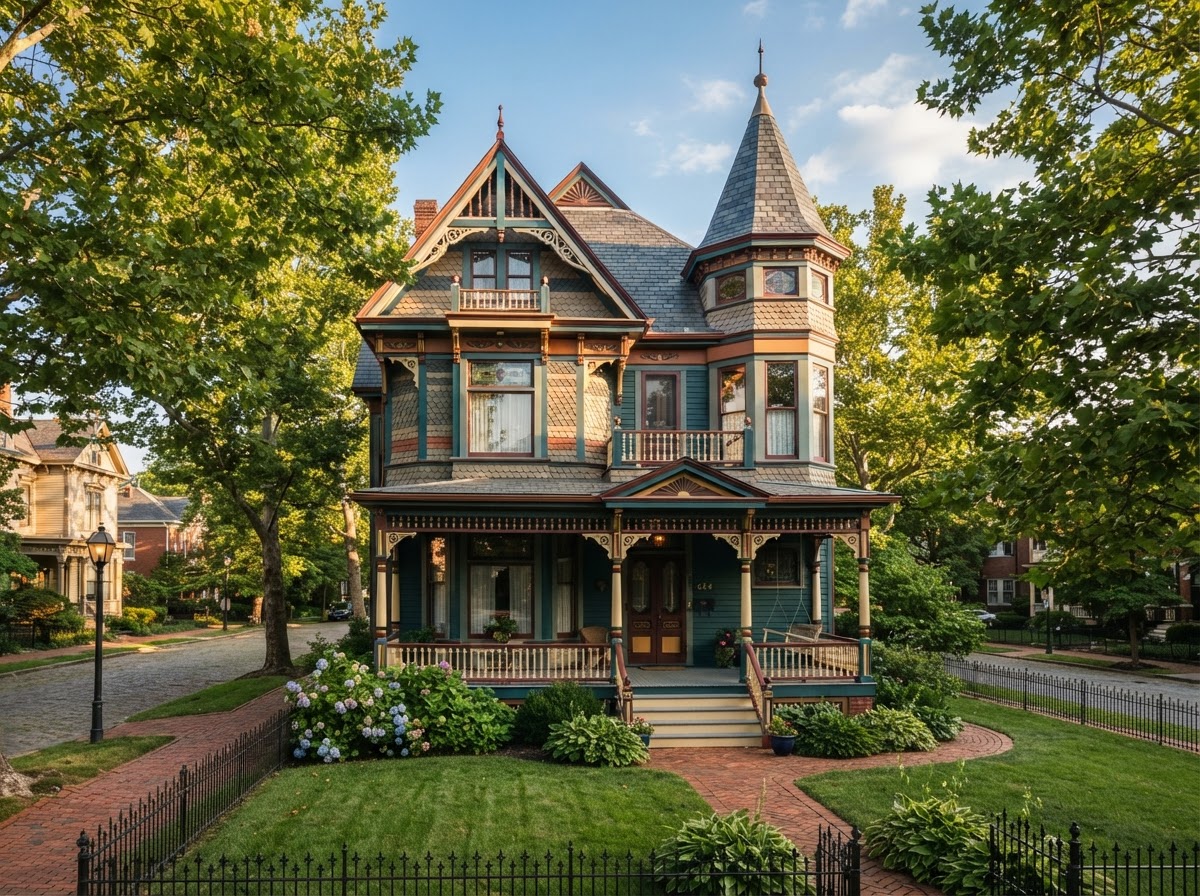
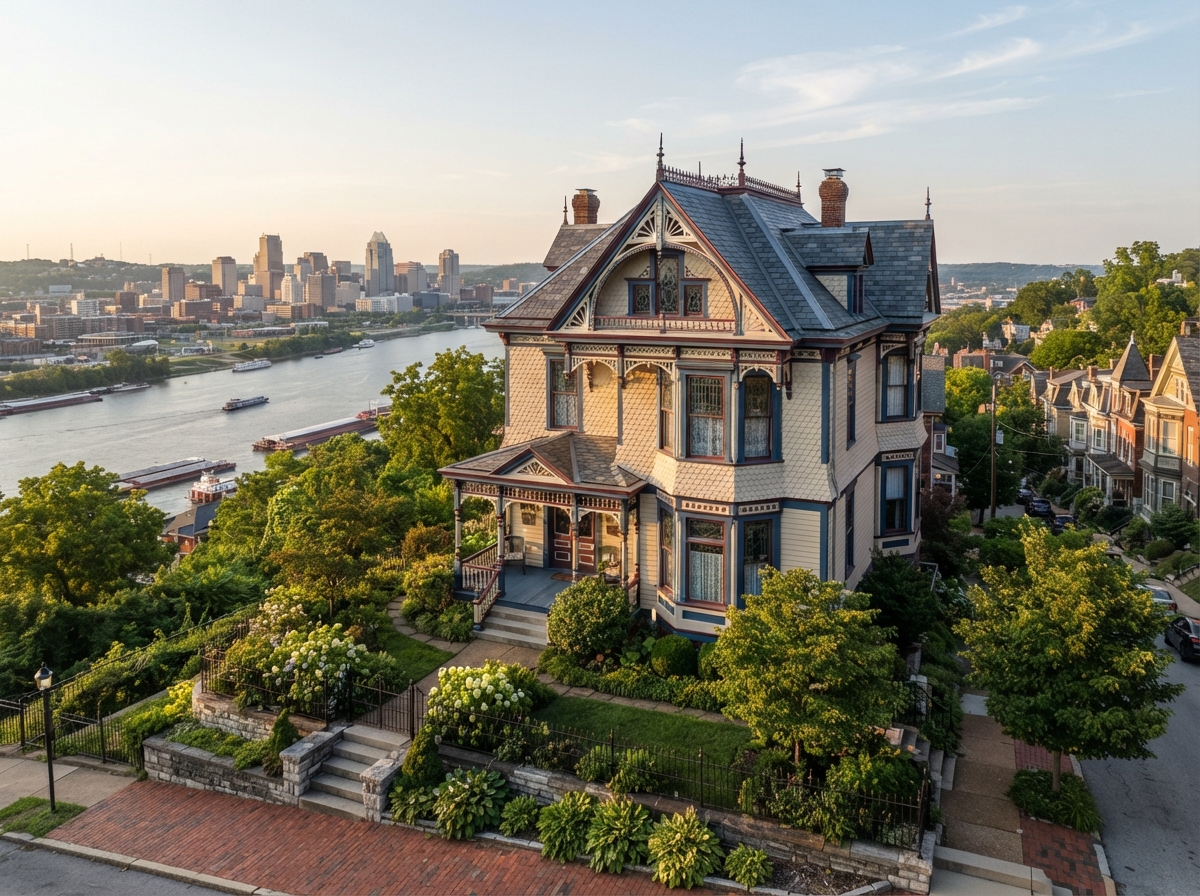
Ornate trim, bold colors, and asymmetrical facades make Victorian homes unmistakable. These expressive houses reflect the prosperity and optimism of the late 19th century.
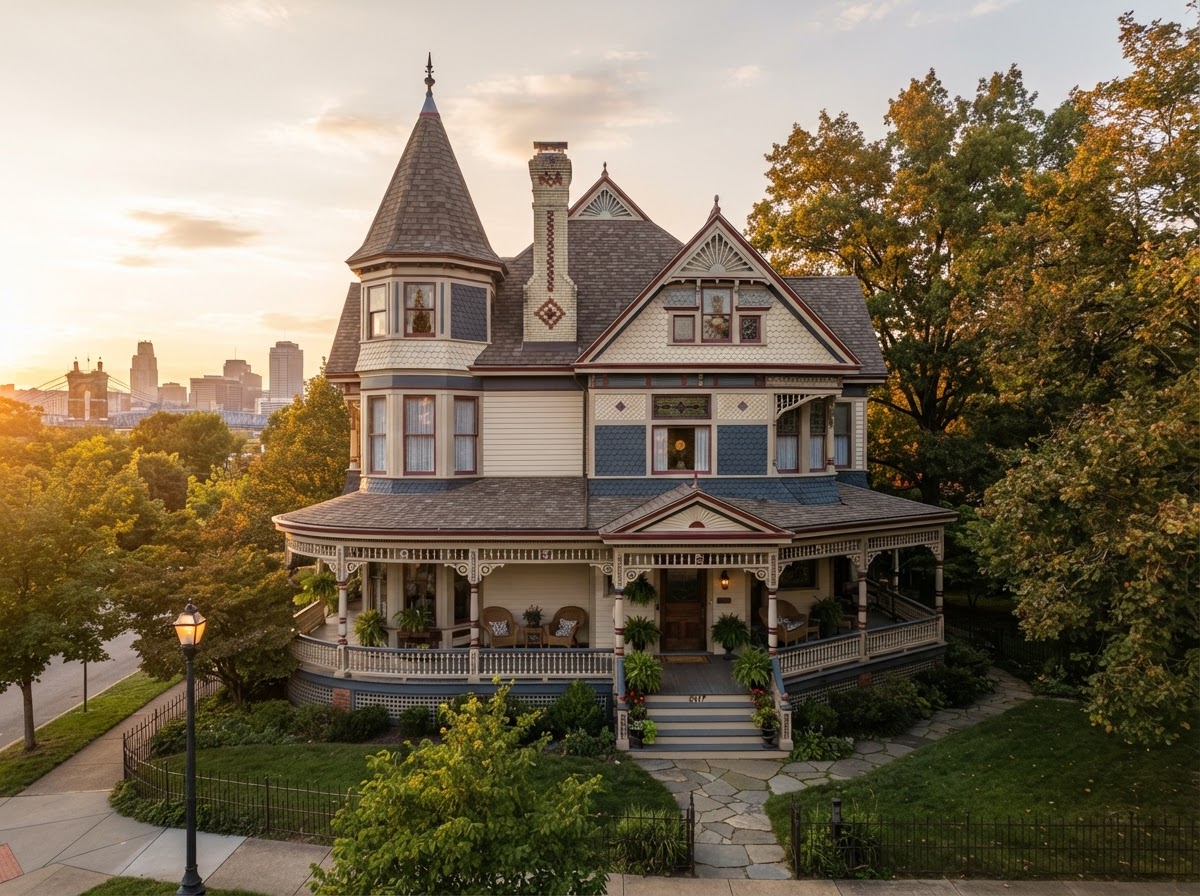
Queen Anne
Turrets, wraparound porches, and a mix of textures and patterns make Queen Anne homes among the most visually distinctive in the region.
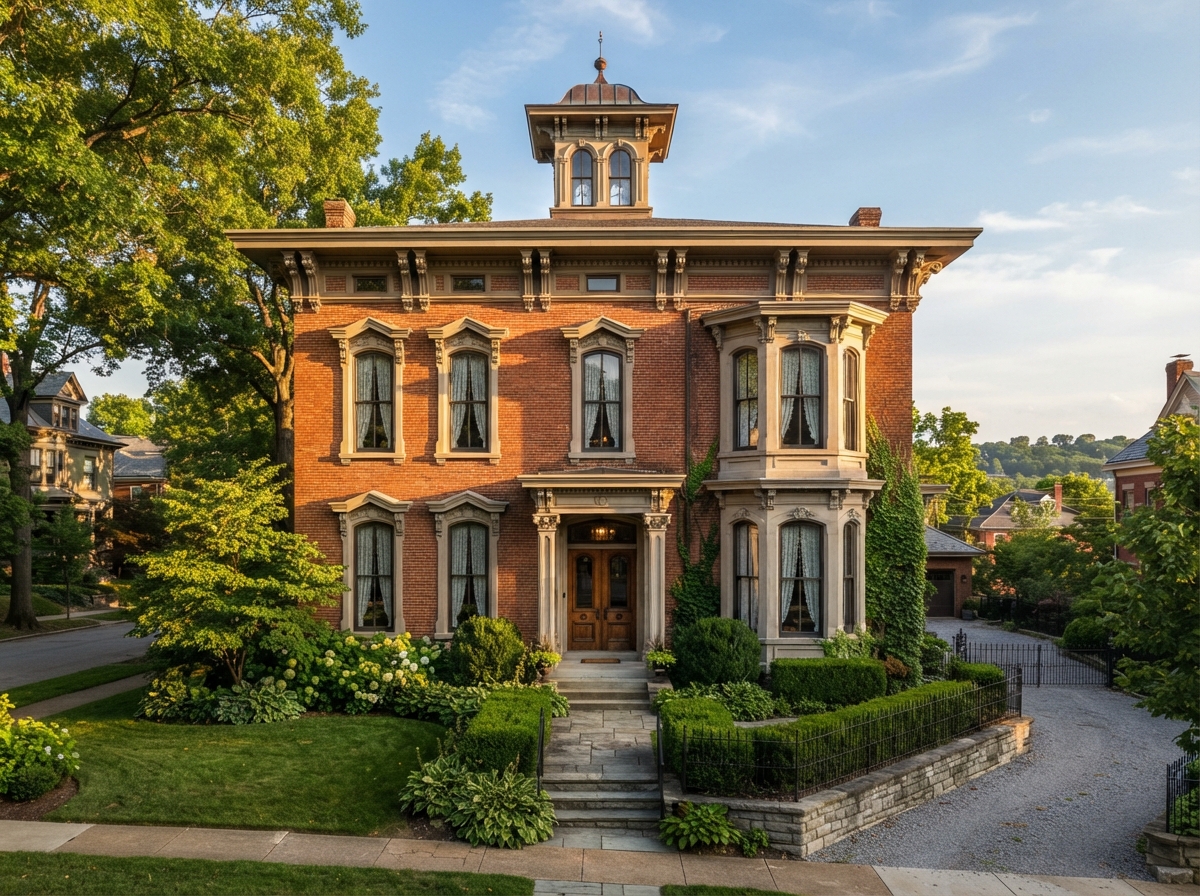
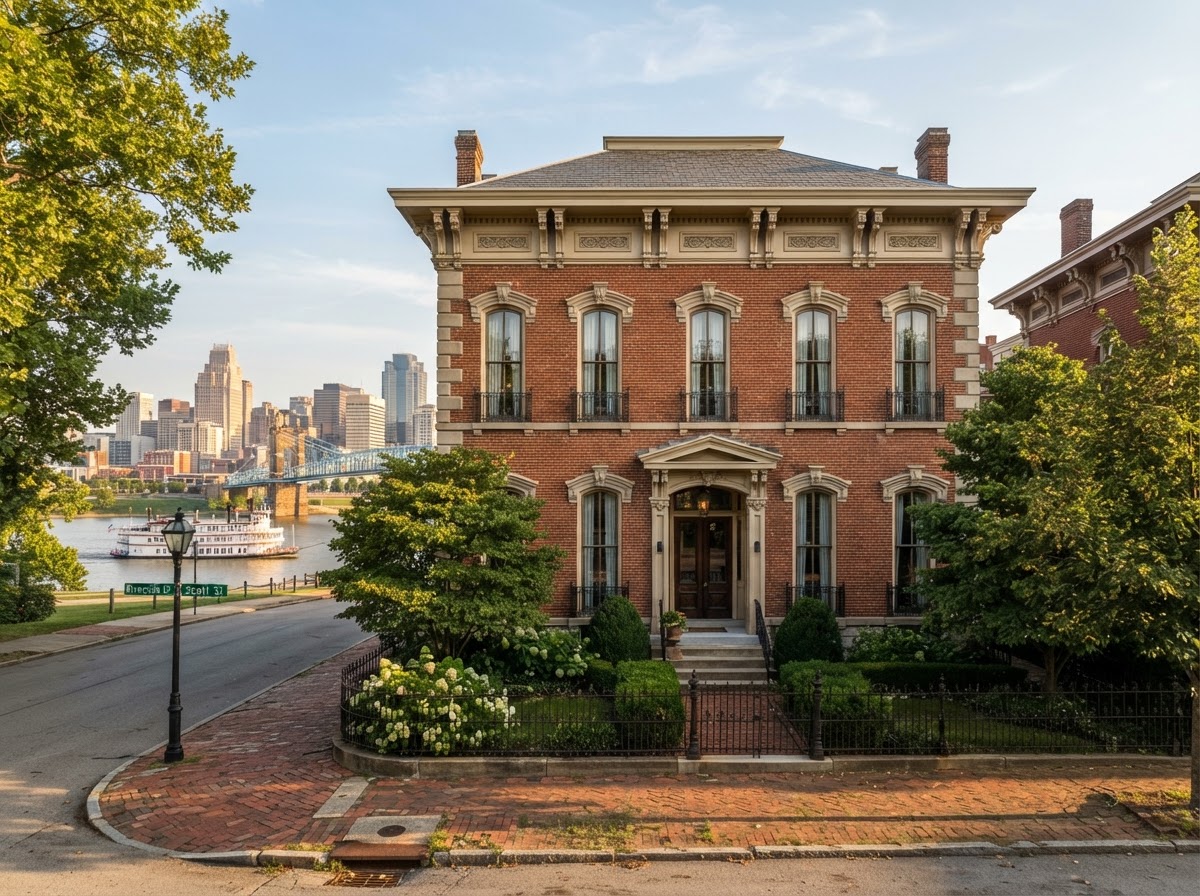
Italianate
Tall narrow windows, low-pitched roofs, and decorative brackets under wide eaves give Italianate homes an elegant, Mediterranean-inspired presence.
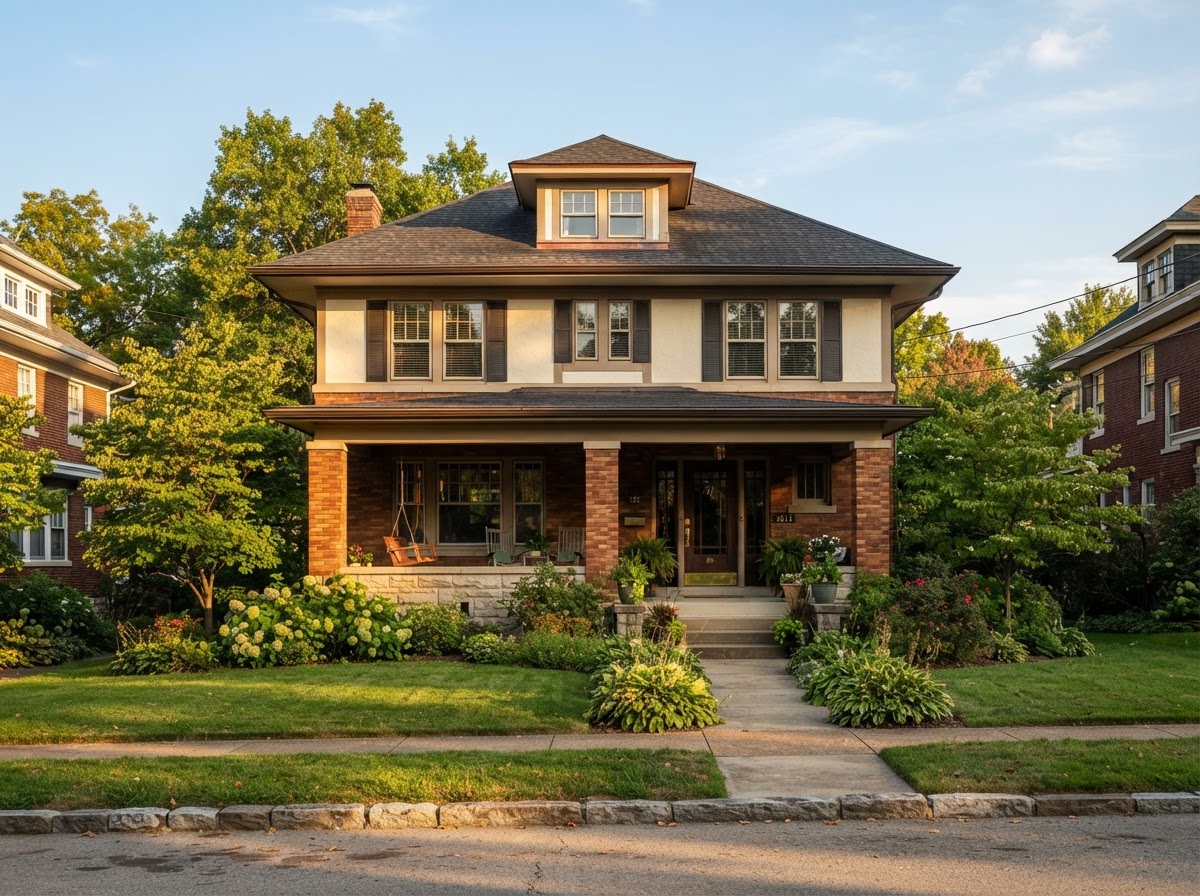
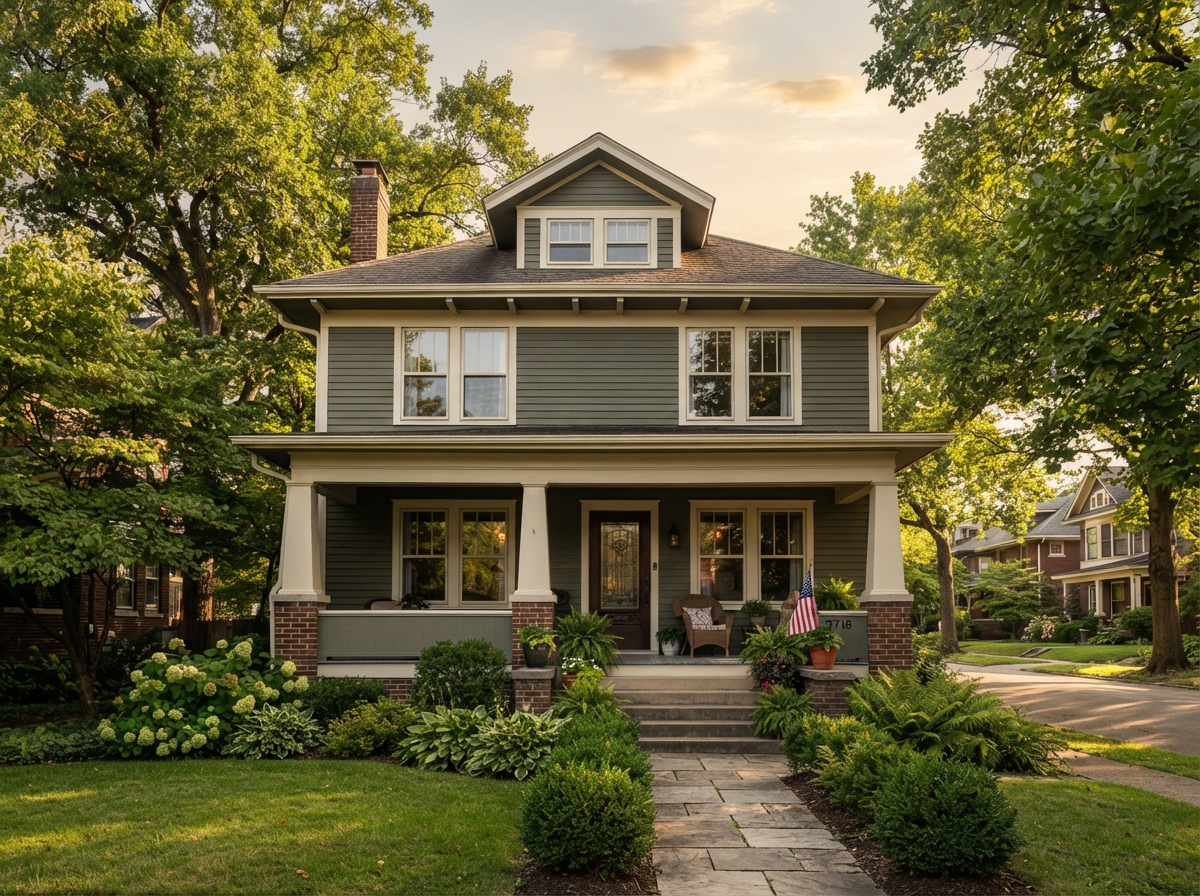
American Four Square
A practical, boxy two-story form with a hipped roof and full-width porch, the Four Square was one of the most popular early 20th century home styles in the region.
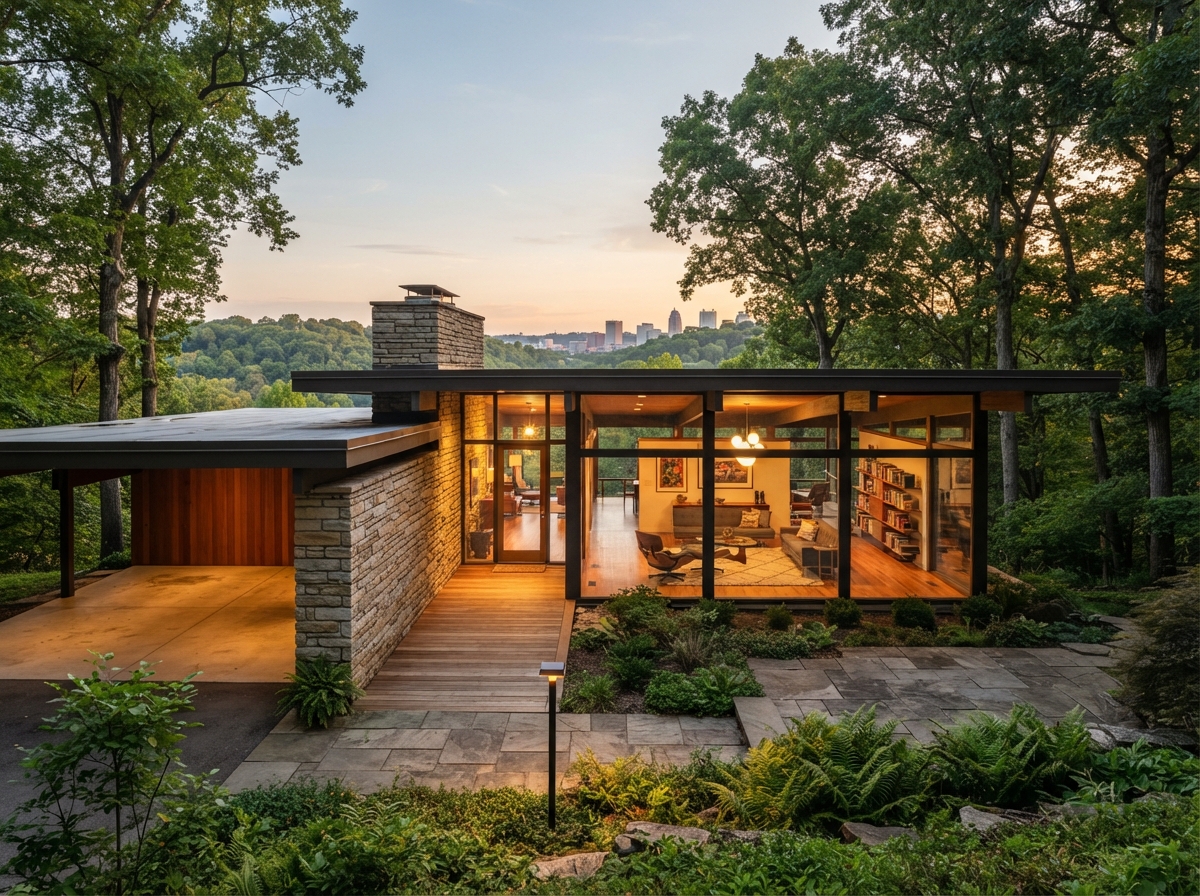
Mid-Century Modern
Clean lines, large windows, and open floor plans define mid-century homes, which are increasingly appreciated for their simplicity and connection to the landscape.
Living in a Historic Home
Owning a historic home is a rewarding experience, but it comes with thoughtful considerations. Understanding what you are buying helps you enjoy the character while planning for the responsibilities that come with it.
Maintenance
Older homes require ongoing attention. Original materials like old-growth wood and solid masonry are remarkably durable, but they benefit from regular care and knowledgeable upkeep.
Inspections
A thorough inspection by someone experienced with older construction is essential. Older homes may have unique systems and materials that require specialized knowledge to evaluate properly.
Preservation
If your home is in a designated historic district, exterior changes may require review by a local preservation board. Understanding these guidelines before purchasing helps you plan renovations with confidence.
Modern Updates
Many historic homes have been thoughtfully updated with modern kitchens, bathrooms, and mechanical systems. The best renovations preserve original character while adding comfort and convenience.